Effet miroir | Faire écran
Effet miroir & Faire écran questions the construction of contemporary identities in the age of digital images. This works are part of a reflection on the face as a sensitive surface, at once intimate and exposed, a site of projection for social norms, desires and injunctions towards self-transformation.
Through fragmented, altered or marked images, the artist creates tension between the lived body and its representation as image. The face becomes an interface, a space of negotiation between what one perceives of oneself and what is rendered visible, measurable or modifiable by technical devices.
The photographic scars and discontinuities that run through these works do not amount to a formal effect: they make perceptible the fractures of the visible and the malleability of identities, caught between exposure, control and reappropriation. Zoé Aubry's work thus opens a critical space that questions the moment when the image ceases to represent the body and begins to transform it.
Effet miroir & Faire écran questions the construction of contemporary identities in the age of digital images. This works are part of a reflection on the face as a sensitive surface, at once intimate and exposed, a site of projection for social norms, desires and injunctions towards self-transformation.
Through fragmented, altered or marked images, the artist creates tension between the lived body and its representation as image. The face becomes an interface, a space of negotiation between what one perceives of oneself and what is rendered visible, measurable or modifiable by technical devices.
The photographic scars and discontinuities that run through these works do not amount to a formal effect: they make perceptible the fractures of the visible and the malleability of identities, caught between exposure, control and reappropriation. Zoé Aubry's work thus opens a critical space that questions the moment when the image ceases to represent the body and begins to transform it.
Exhibitions
Ghostland — Fotografia Europea, Reggio Emilia
Mobilités, Centre de la Photographie, Genève
Anatomie d’une crise — Le corps contemporain, Espace Témoin
Nuit des images x near. Photo Elysée
Bourses de la Ville de Genève BLCG, Centre d’art contemporain, Genève, CH
KIEFER HABLITZEL | GÖHNER KUNSTPREIS. SWISS ART AWARDS, Halle 3 Messe, Basel, CH
The series received the support of la Bibliothèque de Genève and Pro Helvetia, Swiss Arts Council
Ghostland — Fotografia Europea, Reggio Emilia
Mobilités, Centre de la Photographie, Genève
Anatomie d’une crise — Le corps contemporain, Espace Témoin
Nuit des images x near. Photo Elysée
Bourses de la Ville de Genève BLCG, Centre d’art contemporain, Genève, CH
KIEFER HABLITZEL | GÖHNER KUNSTPREIS. SWISS ART AWARDS, Halle 3 Messe, Basel, CH
The series received the support of la Bibliothèque de Genève and Pro Helvetia, Swiss Arts Council


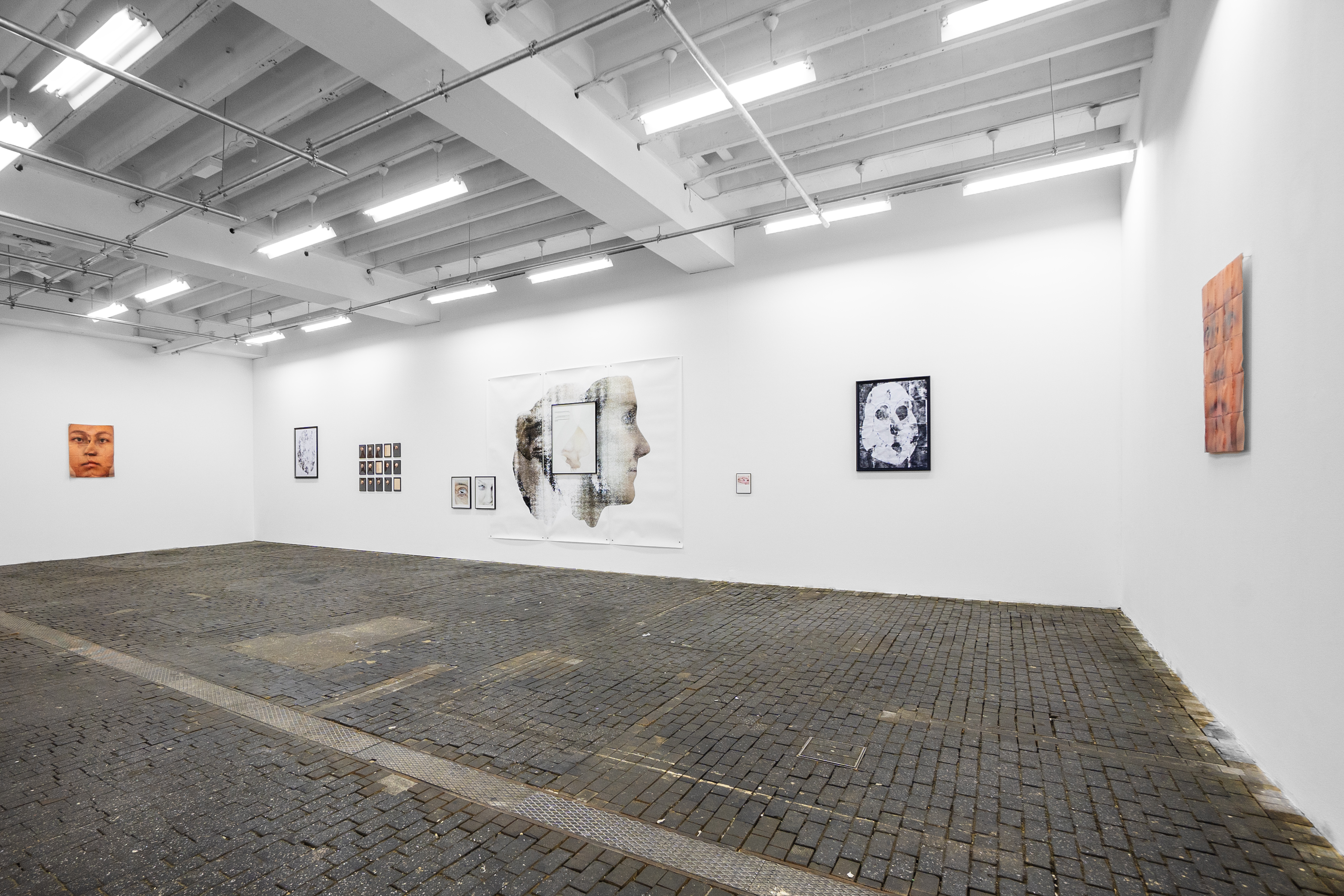


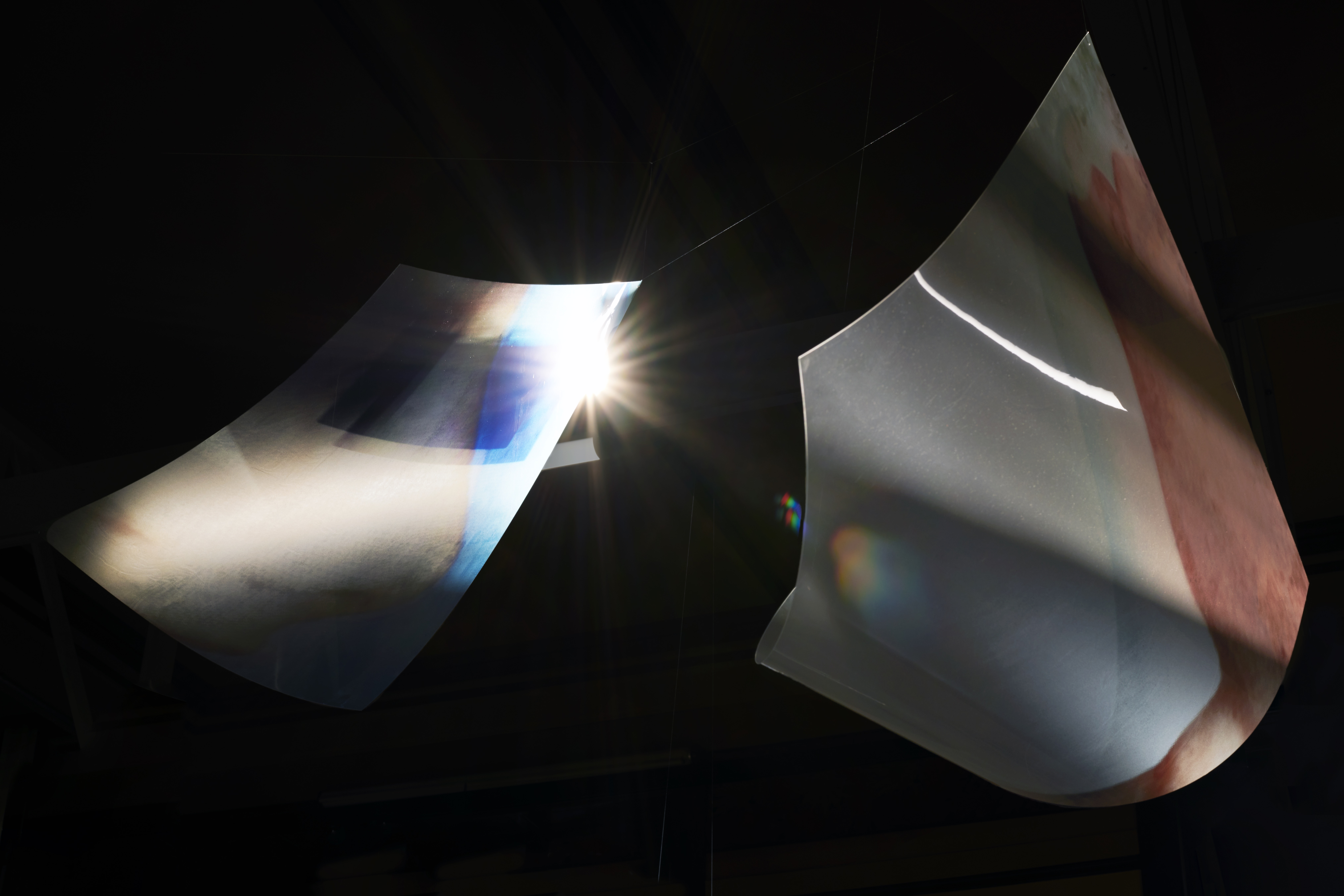


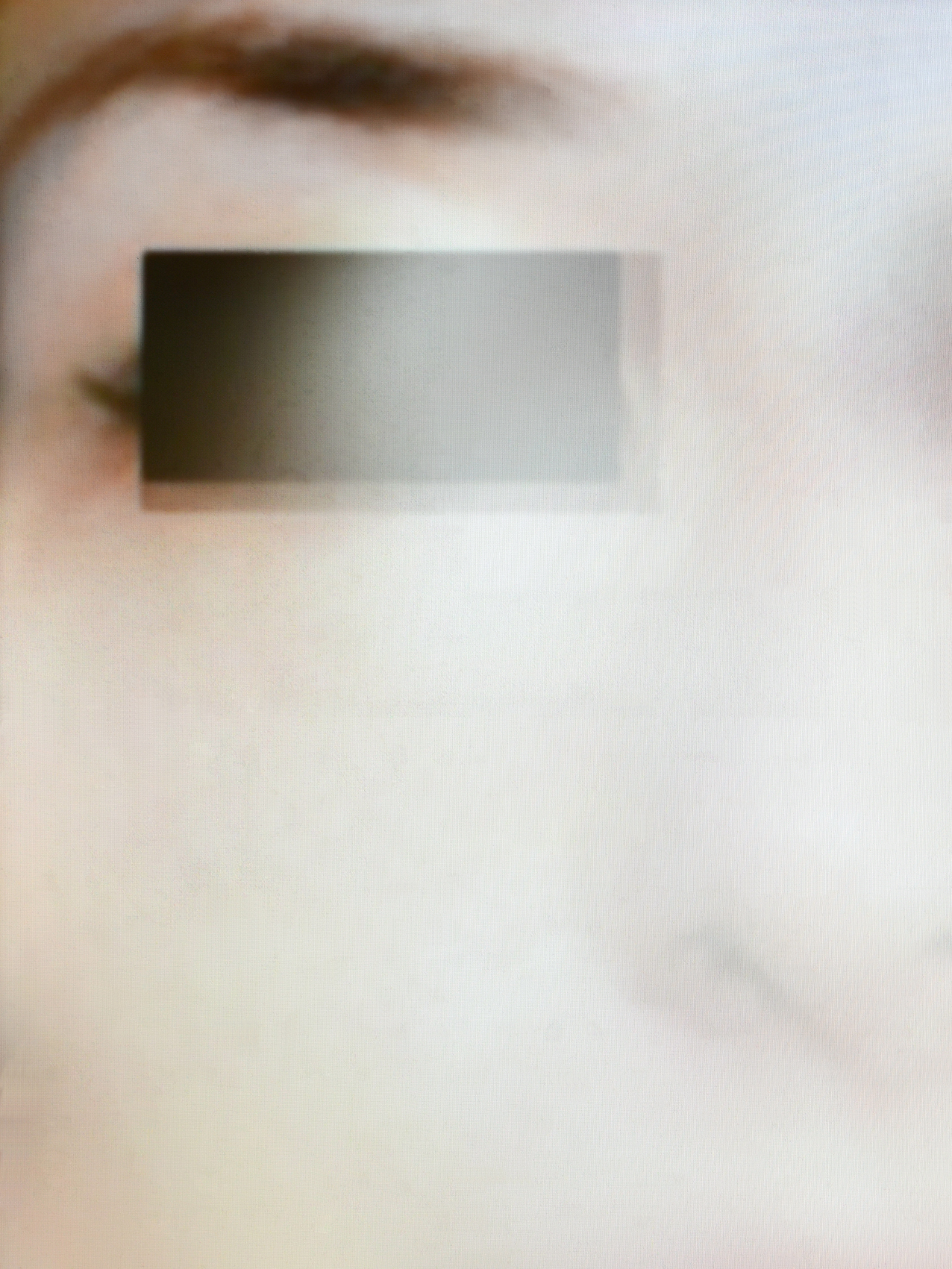


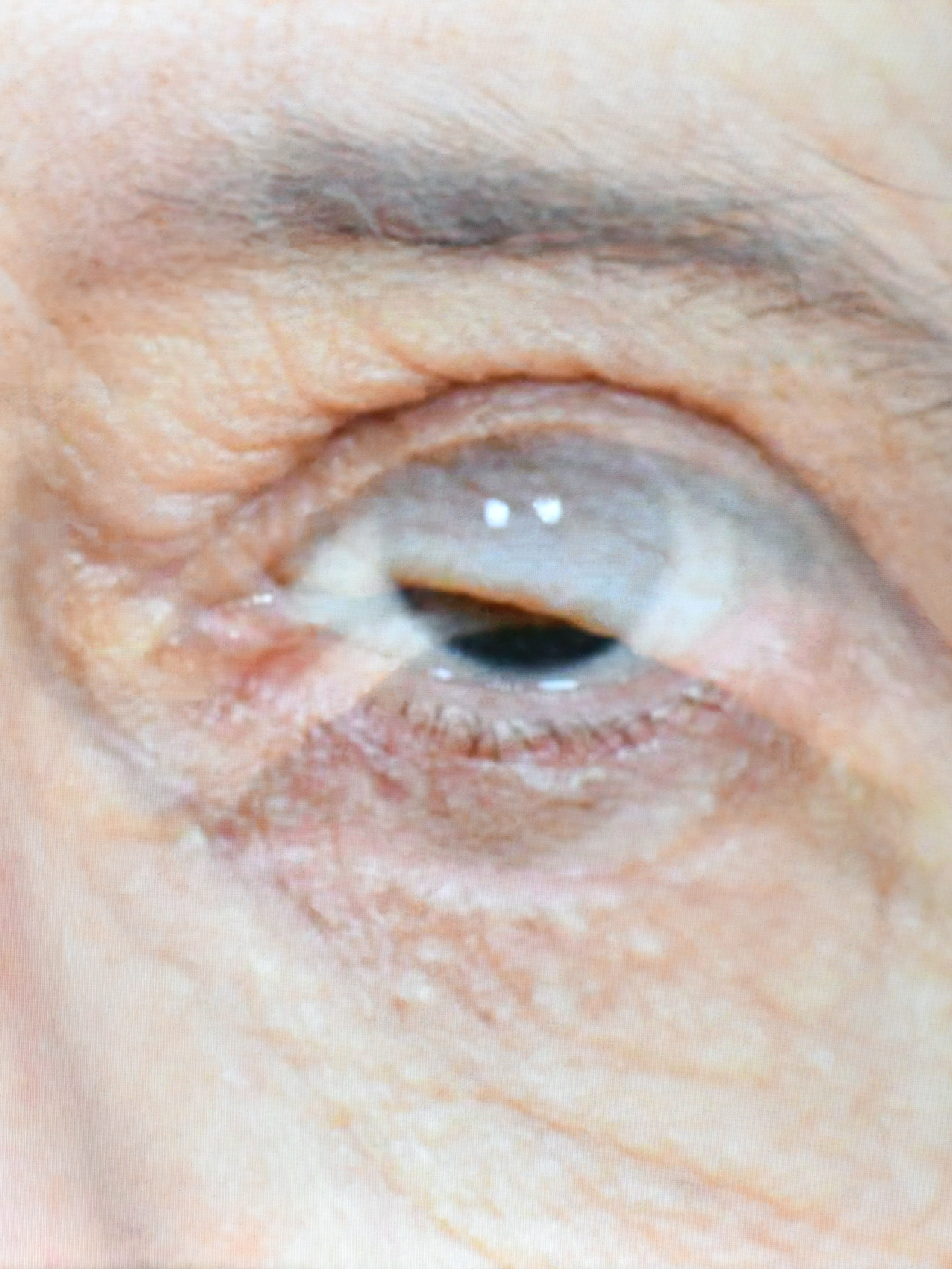


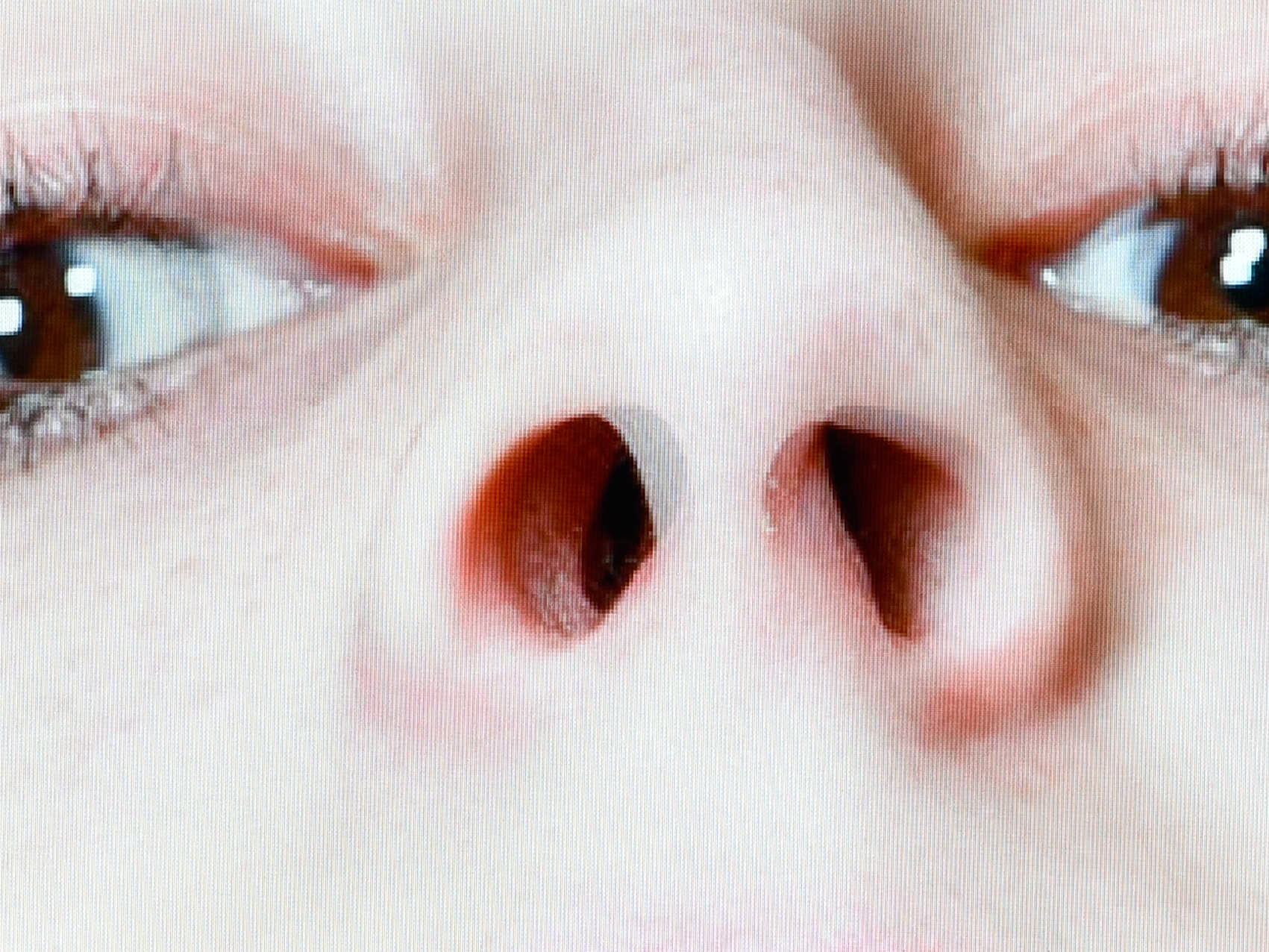


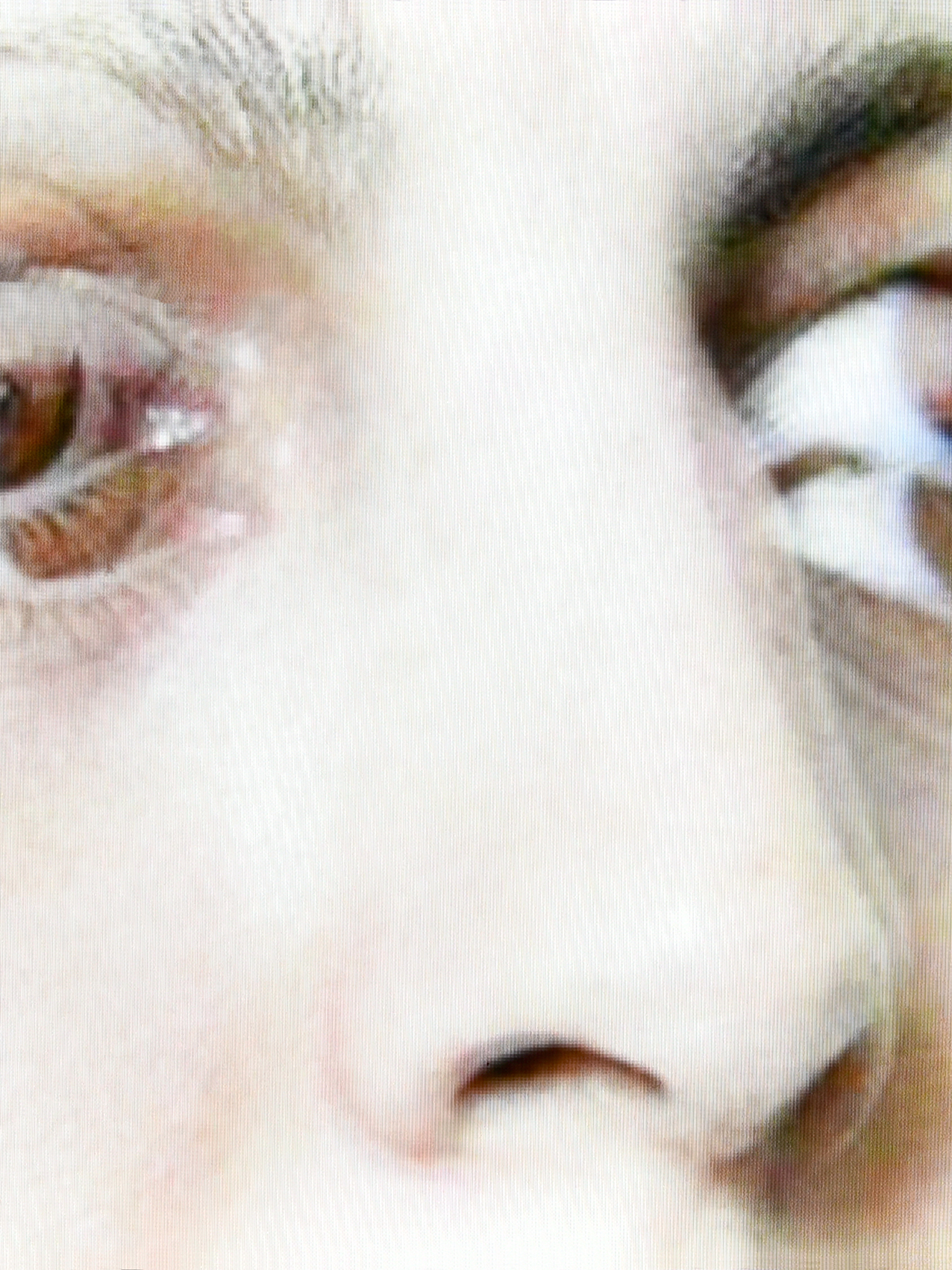
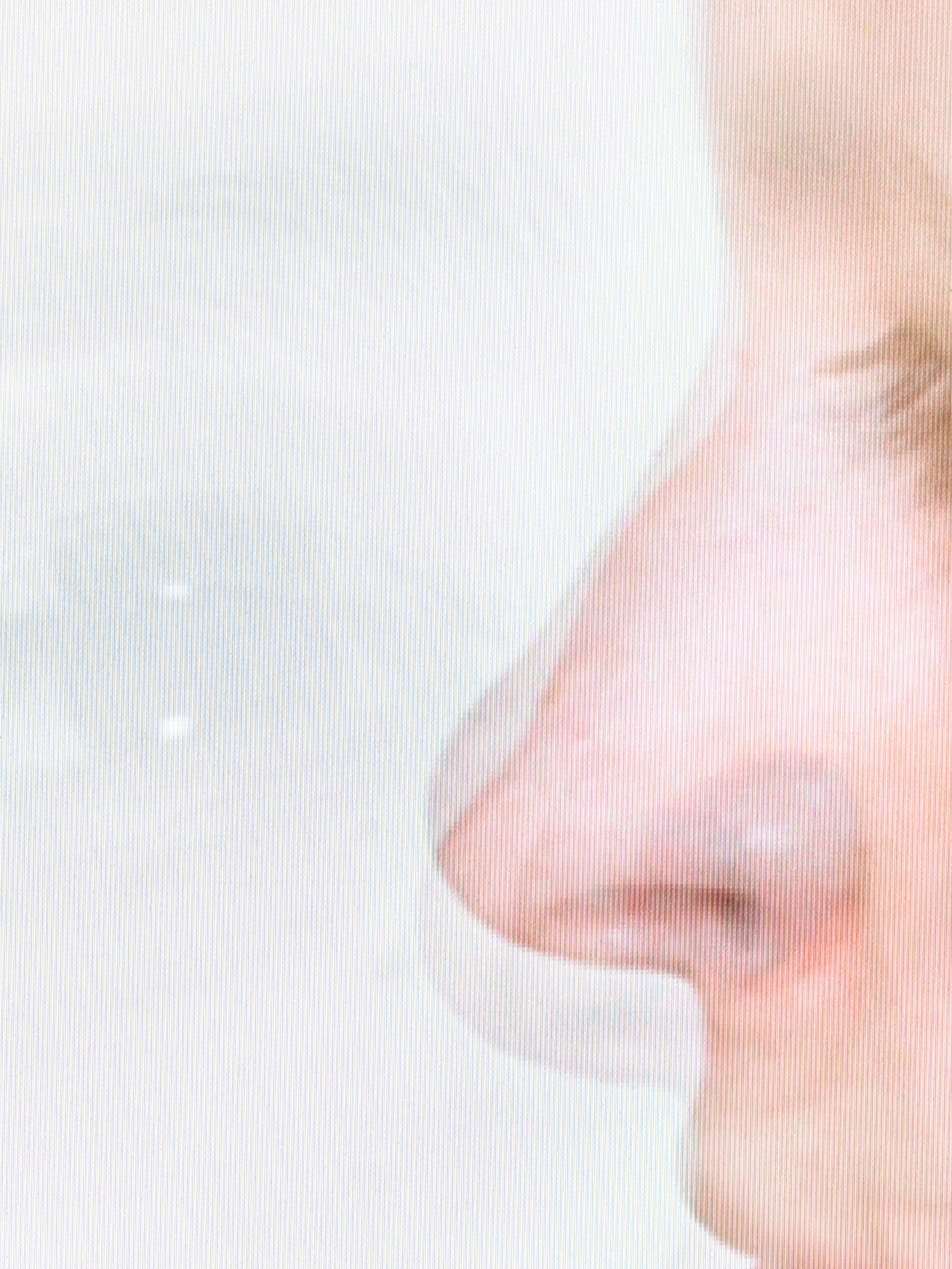


Wishing to question the tangible impact that image has on a certain body mobility and a societal paradigm shift, Faire écran looks at the repercussion of the COVID-19 pandemic on the use of plastic surgery. The increase in video conferencing has led many womxn and men to reshape their faces. On the screens, our faces are anamorphosed, our noses are enlarged; more than the direct gaze of the others, it is the confrontation with this medium which was determining to build the vision that these people had of themselves.
To account for the metamorphosis of the body induced by a societal evolution, patient's pictures were taken before and after the surgical interventions at clinics. Then these images are superimpose on a computer, by scrolling through them slowly they combine themselves into a single image whose transparency and structure are reminiscent of screens and their role in these facial transformations. The flexible and transparent printing medium further emphasizes the malleability of flesh and its links to screens.
Tattooed onto silicone body parts, comments and excerpts from plastic surgery forums, where people considering certain procedures can exchange ideas; printed onto practice skins, different versions of their future faces: These different facial mobilities are based on the philosophical conception of eccentricity borrowed from Helmuth Plessner, in his investigation of the human from its biological and spatial dimension. A surface of reflection and projection, the focus on the body in these eccentric interventions directs attention to new situated forms of subjectivity. This relationship implies a distance to the self and a dynamic of spatialization with a utopian and anthropic dimension.
The series is punctuated by snippets of testimonies, collages of press fragments fixed by strips of scarring.
To account for the metamorphosis of the body induced by a societal evolution, patient's pictures were taken before and after the surgical interventions at clinics. Then these images are superimpose on a computer, by scrolling through them slowly they combine themselves into a single image whose transparency and structure are reminiscent of screens and their role in these facial transformations. The flexible and transparent printing medium further emphasizes the malleability of flesh and its links to screens.
Tattooed onto silicone body parts, comments and excerpts from plastic surgery forums, where people considering certain procedures can exchange ideas; printed onto practice skins, different versions of their future faces: These different facial mobilities are based on the philosophical conception of eccentricity borrowed from Helmuth Plessner, in his investigation of the human from its biological and spatial dimension. A surface of reflection and projection, the focus on the body in these eccentric interventions directs attention to new situated forms of subjectivity. This relationship implies a distance to the self and a dynamic of spatialization with a utopian and anthropic dimension.
The series is punctuated by snippets of testimonies, collages of press fragments fixed by strips of scarring.